It seems that "A teenage story" has attracted the attention of Nat Geo's editors, as this photo was lucky enough to be published as part of their Daily Dozens. Thanks a lot National Geographic!
http://yourshot.nationalgeographic.com/photos/3308198/
street photography tips, london street photography, london photography
It seems that "A teenage story" has attracted the attention of Nat Geo's editors, as this photo was lucky enough to be published as part of their Daily Dozens. Thanks a lot National Geographic!
http://yourshot.nationalgeographic.com/photos/3308198/

Stark Magazine, which publishes superb photography from all over the world, has been supporting the launch of my ebook through its blog, as well as its most recent issue.
It is a pleasure, and an honor, to be part of this amazing publication. Go and have a look, you won't be disappointed!

Here you go, I have made the jump. I finally published my first book, developing the concept of storytelling in street photography. I spend almost two years studying composition in street photography, with the purpose of understanding how to create more emotional and impactful images. I was interested, in particular, in the concepts of harmony vs. tension, camera subjectivity, and light transformation - all recurring patterns in my work.
From this analysis came to life a series of blog posts, and, eventually, a conference talk on storytelling in street photography during the Out of Chicago conference. This is my honor and pleasure today to share with you the result of this analysis; and I hope that this book will take you further in your photographic journey, just as it did for me.
This ebook is available for free at the following link: Issue/Marielaigneau and you can also directly download it here.
PS: If you enjoyed the reading, can you let me know by adding a comment below? It would make me very happy :) Thank you in advance!

Yes, I had my first artist talk at the Chicago Public Library! And it went well :) I was thrilled to see so many people attend, and it was surprisingly fabulous to be able to talk about Dreams of City to such a receptive and engaged audience. Thank you so much, you really made it a beautiful day for me.
Along with it, a short interview published on the Chicago Public Library website that you can find here: http://www.chipublib.org/news/street-photographer-marie-laigneau-to-give-artist-talk/

Photo taken during our photowalk, right after my artist talk at the Chicago Public Library
Most people will argue that gears don’t make you a good or bad photographer. And they are right. But gears – your choice of lens, of camera body, of filters if any – determine what you can do, and define limits within which to operate your art. And in that sense, it is bound to make you a better photographer in the long run if you operate long enough within those given constraints. Besides gear itself, an artist can impose on himself many constraints, whether knowingly or not. Take for instance landscape photographers. Their constraint is time-related: they will wait until the light is just at this perfect point before taking a picture, maybe a few more, and then go home. A portrait photographer will be constrained by natural light, which he will try to complement with artificial light as able. Still, evolving within the constraints that we give ourselves shape us as an artist. It stretches us to achieve more with what we have and can do. Because the room of possibilities is reduced, our attention is way more focused that it would be otherwise. And this, in essence, is liberating.
I have been using my Canon 60D with a 17-55 zoom lens with f2.8 in continuity. This camera and this lens totally shaped my photography of the past year – literally defined what others call my style (even if I am unsure what this means!). Let me explain: zooms are versatile, but in street photography, only one variable can be adjusted before the target goes away. Mine was the focal distance. Everything else was set. Aperture priority at f2.8, as I felt that smaller apertures were not fast enough. And, the ability to rely on autofocus (or to miss my shots because of auto-focus).

Image taken with Canon 60D @ 55mm
I thus spent my entire year dealing with autofocus, maneuvering my frames between 17mm and 55mm alternatively, and getting something out of it. I operated within those constraints, knowing what shots would work, what would not. Knowing perfectly what I’d get at 17 vs. 55 in my frame (all other focal distances were never used for that matter). Learning to point the focus where needed before recomposing etc. Why it was liberating: I knew perfectly well what I’d get and I did not need to worry about anything else. My resulting shots were soft, with shallow depth of field at 55m, and pretty large depth of field at 17mm. Because my subjects could see me coming from far away, I was also constrained by the types of scene that I could take – and the distance at which I could assumedly go without having their expression change. I thus alternated between long-range shots of solitary figures vs. stolen street portraits of one individual (right in his face type of shots).
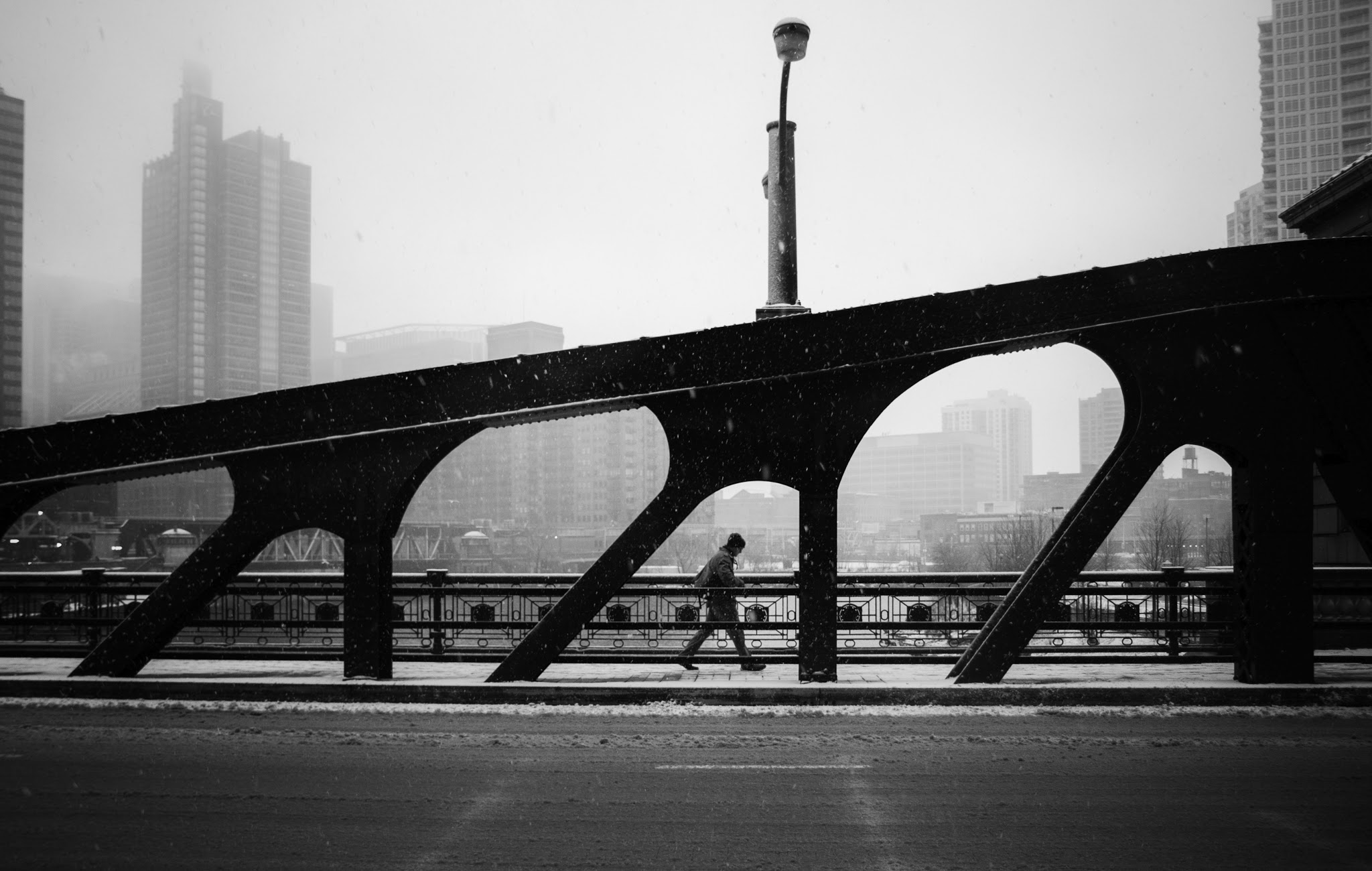
Image taken with Canon 60D @17mm
When I started to use the Leica M with a 35mm lens, the constraints stayed, but they changed in nature. And thus has my photography. It is still very early to describe that change, and how it evolve in the past months or so that I have been using this wonderful combo. But that change is clear, evident. I can experience it throughout the way – from the way I see the world, to the last post-processing touch that I would apply on an image. It is transforming me, slowly, but effectively. It is opening doors that I had never seen before. It is also frightening, because I don’t have a clear sense of the direction that it is taking. I know what I am leaving behind, but not where I am headed at.

Image taken with Leica M @35mm
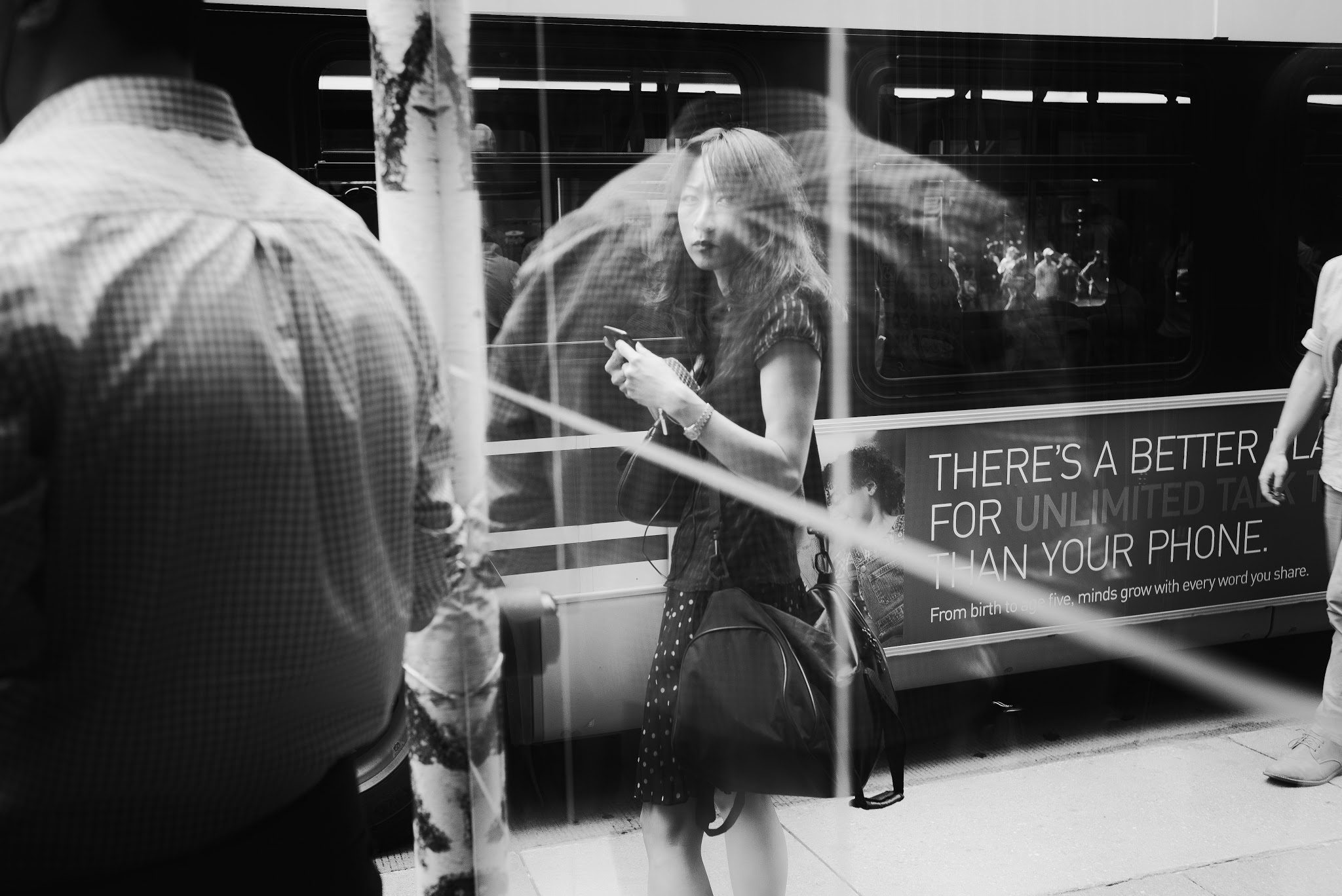
Image taken with Leica M @35mm

Image taken with Leica M @35mm
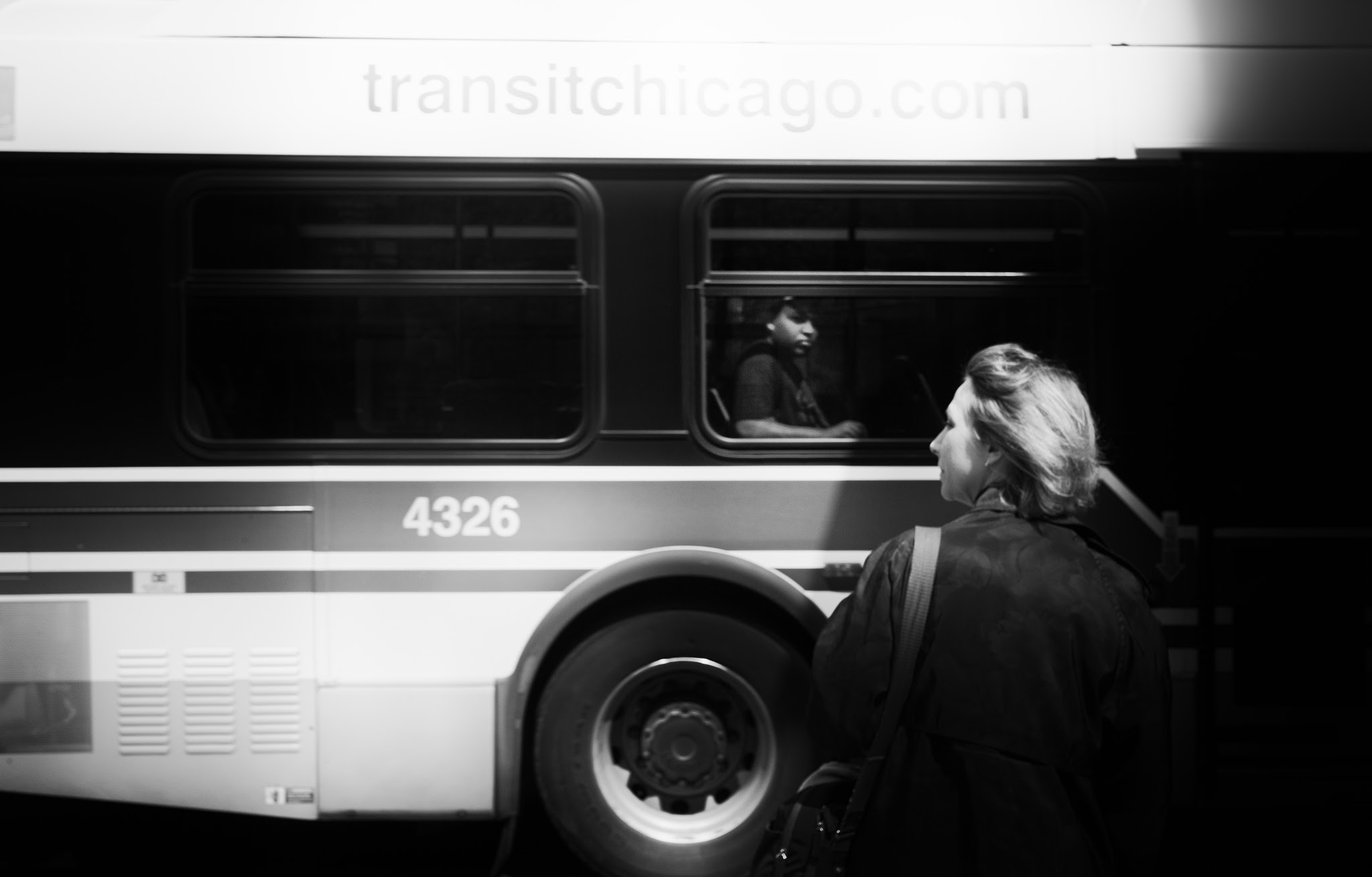
Image taken with Leica M @35mm

Image taken with Leica M @35mm
Yes, constraints shape our artistic vision. They shape who we are, as an artist, as a photographer. But the key to success is to persevere within a given set of constraints - not to give up too early, but to let the time for the mind and the body to understand those limits, and, later on, to overcome them with greater creativity.