The relationship between photographic frame, ratios and observing life as it unfolds
I was recently asked to participate in a collective exhibition in Paris, organised notably by a friend of mine. The problem: the organising team had made the decision to request all selected pictures to be reframed at 4:3 - I assume to fit the frames they had planned to purchase. I carefully considered what my image would look like from my normal 3:2 format to 4:3 - and I just didn’t like it. Something deep inside of me was simply refusing to crop and change the proportions of the image, as it would forever alter the ‘frame’, the composition, and in a sense, my vision for the image.
It was not that it was technically impossible. It was more a matter of principle. 3:2 is how I see the world through my viewfinder. And over the years, I have learned to anticipate this pre-defined frame, to work within the constraints and boundaries of this frame as if it was my window into the world, a window I couldn’t bend nor extend. Early enough in my journey, 3:2 became the technical and artistic boundaries through which I create images.
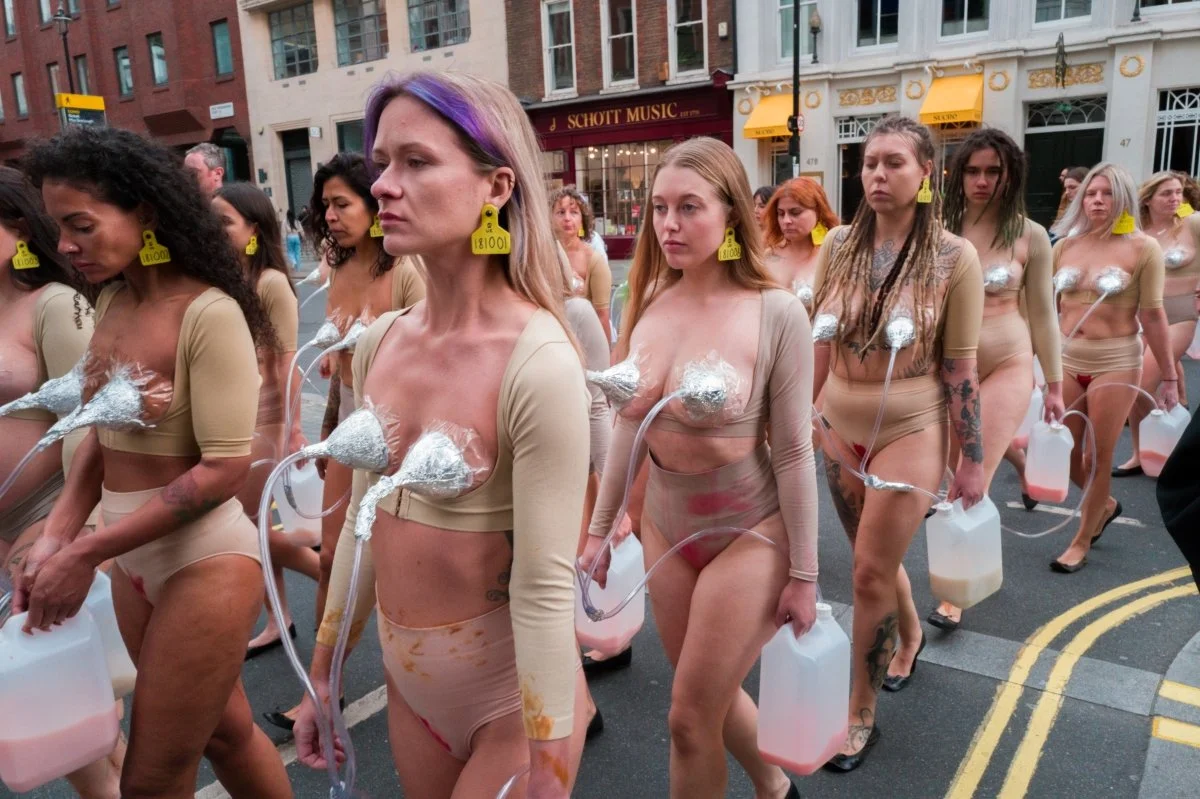
The photo that would have been selected at the Paris exhibition, requiring a 4:3 crop.
So I questioned myself further…
What is the relationship between ratios and what we call the frame? Are these rules imposed on myself justified by my vision of street photography? And finally, what difference would this make if my subject was not direct observation of the human world, but - for example - conceptual images?
First, I need to caveat that everything that follows is my opinion and mine only. I have no intention to dictate nor limit what other photographers should do - so if you have a different view and practice, I am curious to know it - share in the comments!
I remember Alex Webb, in The Suffering of Light, explaining that he’s attracted to complex images integrating many interesting elements in the frame. And there lies a delicate balance: putting enough elements who belong to the frame, while keeping out those who do not belong. Many times, he said, the balance would tip over and the image would not work.
I can’t say that I know much about the practice of Alex Webb - beyond his wonderful images - but I liked how he talked about the ‘frame’. The frame for me is both a physical and metaphorical concept. We often use the word frame to speak about the boundaries of an existing image - regardless of what happened in between the moment of shooting and the editing process itself. There is the frame which are the boundaries of what’s visible - and there is what we can’t see, what’s outside of the frame, therefore outside of the composition. And yet, for me, the concept of ‘frame’ starts well before the final image people see. The frame is the physical, very real limits of my viewfinder. What I have realised is that, in my practice of street photography, I aim to capture what’s happening in front of my eyes - where everything is in constant movement, in and out of sight, changing by the second. My viewfinder - the frame in other words - is like a window on the world, where like Mr Webb, I decide where to position myself within the scene and when to press the trigger based on what I see.
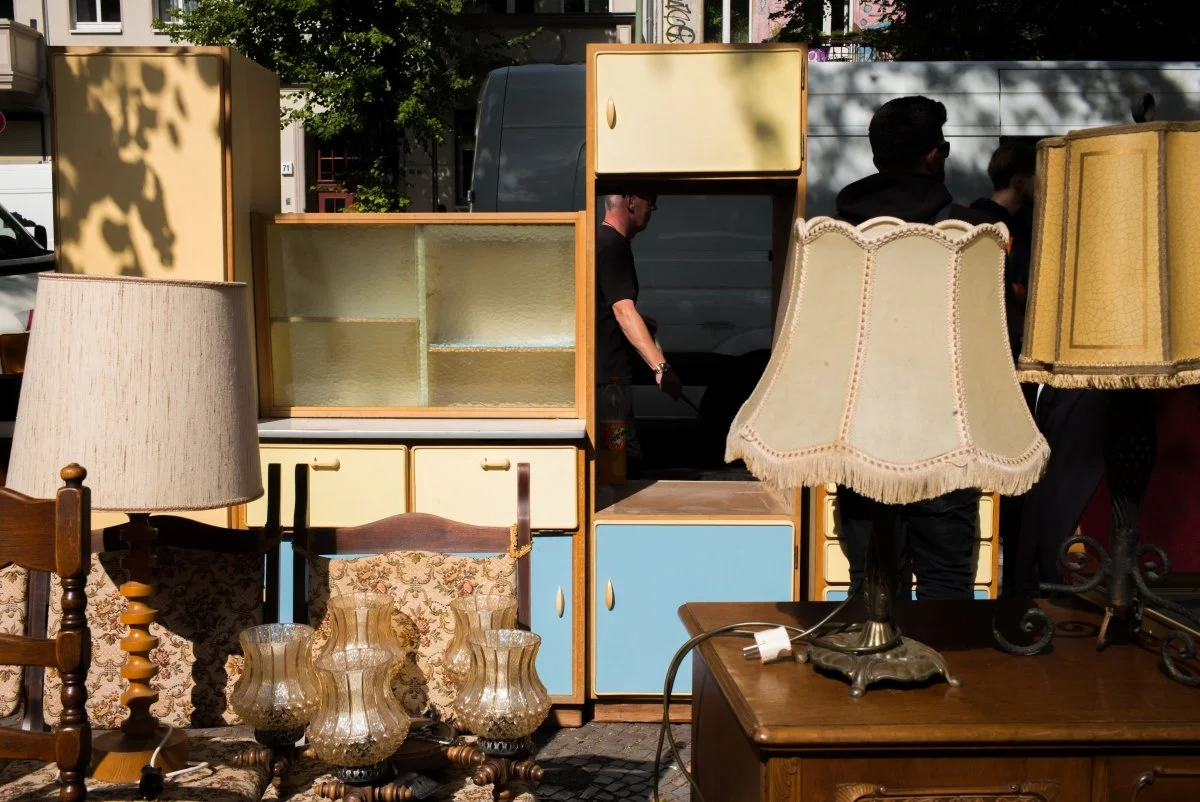
I shoot through my 3:2 viewfinder, determining the frame and ratios for all of my images.
In practical terms, there is a lot that I don’t see while I shoot - but the boundaries of a familiar, unchangeable frame (which exists by shooting with the same focal length over and over) helps me shoot better images overall. I can readily anticipate where that frame is, even if I decide to shoot from the hip. The functional frame has become a metaphorical window in my mind, after countless photowalks and shots over the years.
Because I shoot what I see, within established boundaries, it’s only normal that I stick to a consistent ratio when editing (horizontal and its vertical equivalent). Could you shoot one way though, and edit another way? Sure. You could do this. But that’s not how I see street photographs. I like to think of them as the raw product of my observations. I like seeing how the image turned out within this frame, as my eyes often couldn’t quite process the whole scene in front of me. To me, my vision of the image starts very early on: a fixed window across which I see life unfold, I see people moving, entering, leaving. I see a hand, I see feets. I see a shadow. I don’t decide the size or proportion of this window. I only decide when to shoot to optimise what’s within it. In a world that moves too fast around me, the limits of the frame is the only predictable variable I can truly rely upon.
And this is why I shoot, edit and share images in a consistent 3:2 format. It’s both a pragmatic and philosophical decision. It simply makes no sense for me to crop my images differently - my vision has existed from the moment I took the shot, and the frame has always been both technical and metaphorical for me. A window through which life unfolds, in front of my eyes.