blog posts

street photography tips, london street photography, london photography

The world of Leica: my first impressions

Leica, and rangefinders in general, are so different from what I’ve experienced so far. It really is a world of its own, a million miles away from traditional DSLR photography. Clearly, each serves a different function, and I can say for certain that some people will totally dislike it. Well, I loved it.

It’s been four days since I purchased the Leica M, and I had the opportunity to shoot pretty much every day since then. I’m barely discovering its possibilities, so far, but I have seen enough of it to share a couple of thoughts with you J

​​The experience is what makes all the difference. Yes, it is really awesome to shoot street photography with a Leica, and for very simple reasons. First, it is so light compared to a DSLR. Heavy enough to be stable in my hands, but light enough to carry around everywhere. I wanted a camera that I would not hesitate to bring with me… And I found it. Secondly, it makes you look invisible and / or not very threatening. People look at you with curiosity, and smile at you. Why, in Chicago my friends, where everybody can see you coming from everywhere, this makes a world of difference! I can all of a sudden get so close to people that this is fantastic. Thirdly, the viewfinder that never blacks out is a pretty awesome part of the experience. I am not a “decisive moment” kind of photographer – I generally frame and isolate one subject carefully, and often don’t get it wrong (if autofocus doesn’t screw up that is). But now, I can also, if I want to, extend my photographic subjects to particular expressions, configurations etc. And I feel part of everything J Which is a very nice feeling indeed!
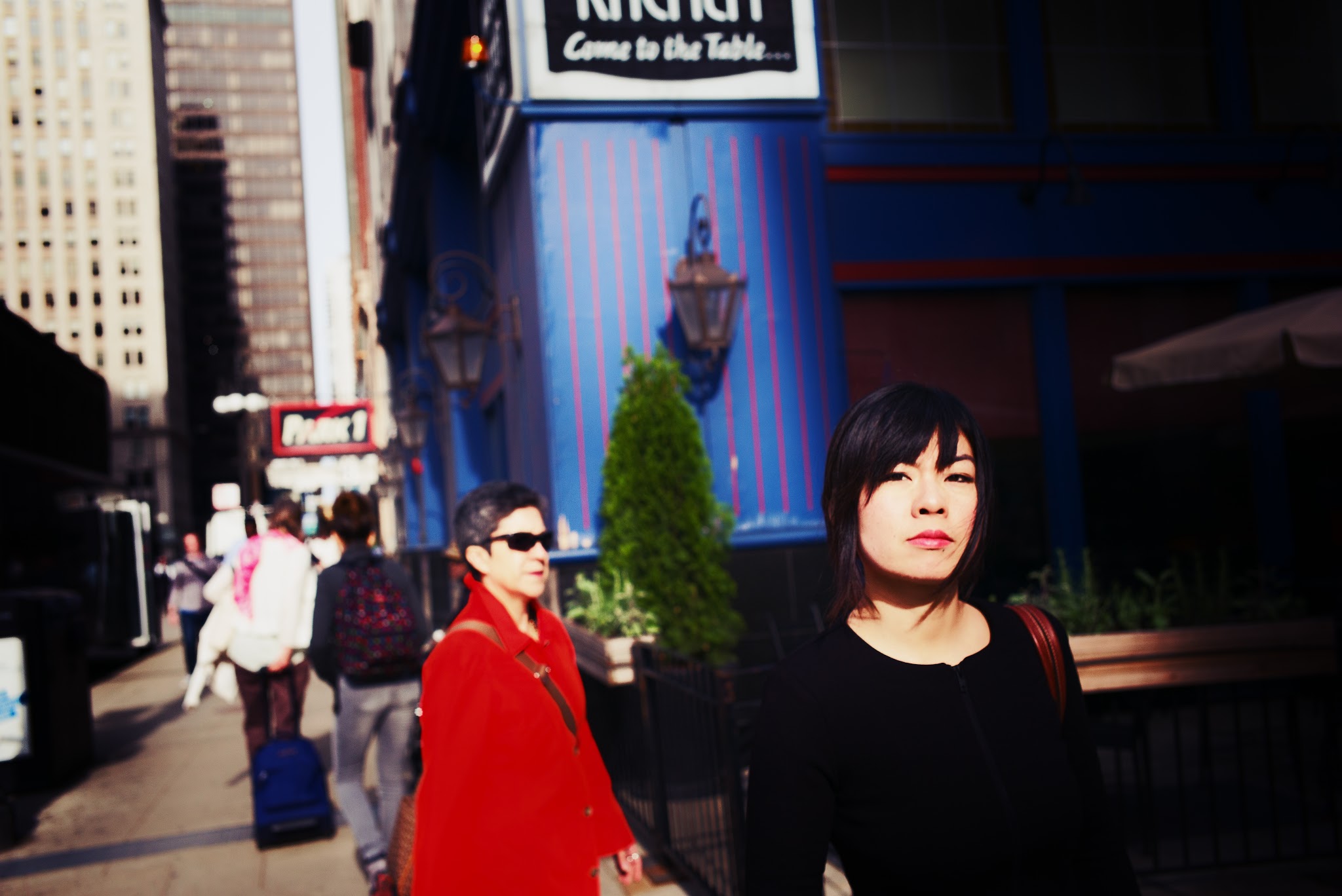
Pictures are beautiful, lens is so so very sharp. Really. I was so impressed with the raw files generated by the camera – so sharp, and the colors are incredible. To be fair, I can’t compare with my Canon lens since I have used it at f 2.8, which is the largest aperture. I didn’t try f6 or 7, which would have, no doubt, resulted in greater sharpness. However, those raw files are still spectacular, and at very large apertures as well. The color files have that unique look, nearly vintage, that really makes me want to do more colors J
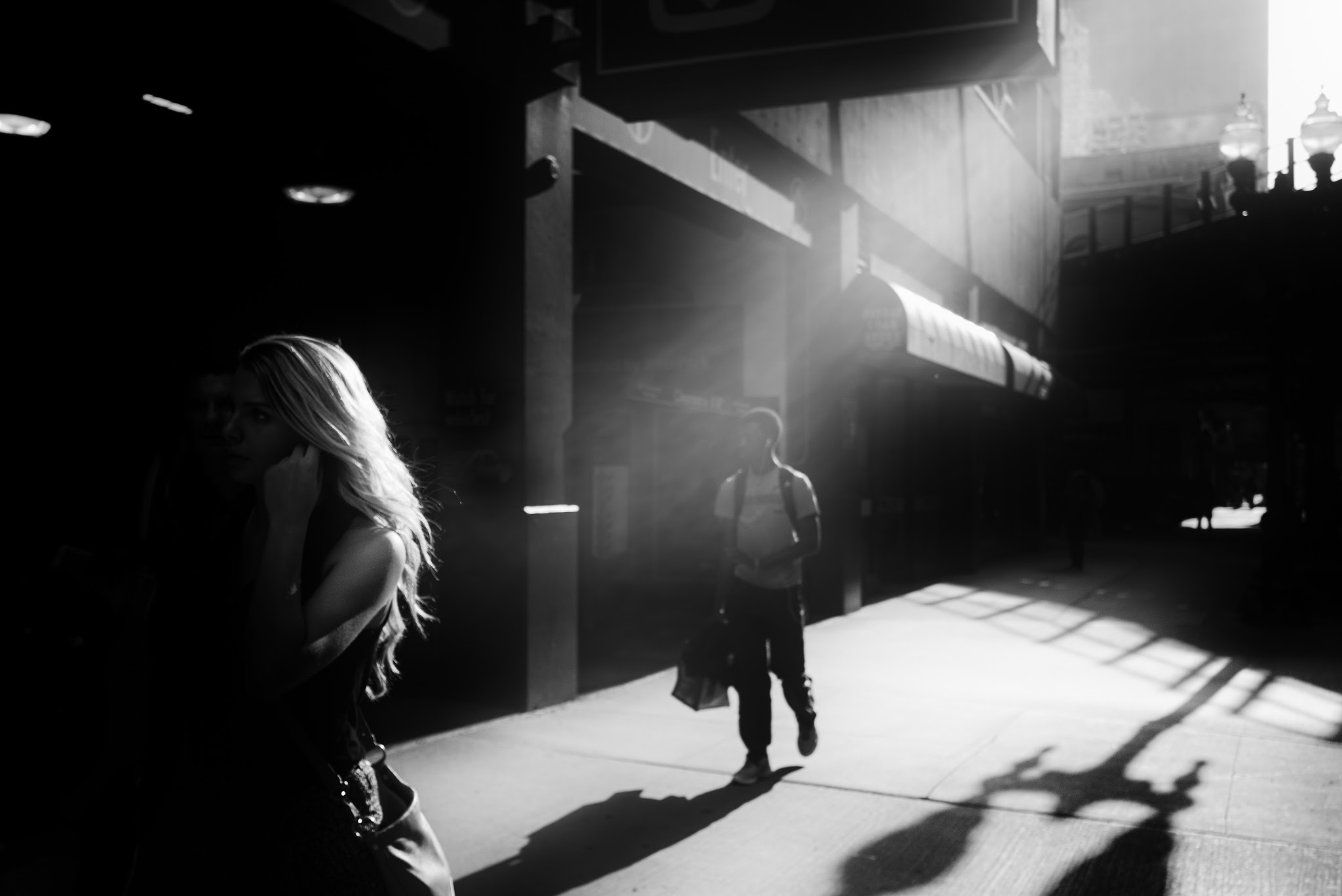
Manual focus is hard, but rewarding – when light is good. I realize that the world is made of endless possibilities that I had never seen before. Of course, I screwed many shots – particularly when I wanted to change focus distances in an instant. But I am getting better, and zone focusing is a pretty unique way of doing street photography J I can see some limitations of course. I was not that impressed with Leica in low light conditions. I think that night street photography will be a challenge, as I can’t yet estimate distance very well. Choosing f2 is out of question, the margin of error is inexistent and my subjects will be way too often out of focus. The ISO capabilities, as you probably know, are very limited compared to DSLR, so do not count on it either. Another limitation is the semi-automatic mode. Leica does make pretty strange decisions as far as ISO and speed are concerned. It is especially difficult in an environment where there is a combination of dark and light zones (such as under the tracks of the L train in Chicago). Most often than not, the exposure was totally off, and the speed was too low. You can of course set parameters for Leica to operate: max ISO, max exposure time. We will see if that makes it better, but overall, I do think that Leica is manual in essence. Which for street photography can be a little hard at times.

In conclusion, Leica forces me to change the way I do photography. I usually use a very large aperture in autofocus, with a zoom. I now have to do with 35mm and apertures that do not allow me to isolate that well my subjects. On the other hand, I am discovering the joy of pre-focusing, where the camera never hesitates – where the focus is just as good as you’ve set it. Is there still a place in my heart for my beloved Canon 60D? Yes, of course. I can’t get those awesome bokeh shots on the street with Leica, not without autofocus for now. And I can’t quite do street photography at night either, as far as I have seen (but that may change when I become better J). But the world of rangefinders make everything a lot more worthwhile in a way. It comes back to the essential, and it lets you in, right into the scene, as if you had never left it.

I wanted to go full frame. Leica was the obvious choice for me. And that was a wise, wise decision that I don’t regret at all.

Mindfulness: welcoming the unexpected

While telling another street photographer that, no, I had not been waiting 45 minutes to get that shot, he said to me: “Well, you must be damn lucky then.” I am not, I have to confess. I take thousands of pictures, I process maybe 5% of them. I fail often, I rarely succeed. I try again, I never stop trying.

But by now I have learned one important thing: success will come if you let things happen, not when you try to realize an idea that has already formed in your mind. Because, let’s be honest: if you know what you want, why can’t you stage it? What would be the fun of waiting hours – maybe days – before getting that perfect shot that you’ve imagined in detail? If you know what you want, if you go out with specific expectations, you’re putting yourself in a situation where you are bound to be disappointed. Then you’ll claim to the world that you are not lucky, when in fact, you’ve only made yourself unlucky by desiring something specific.

I am not beaten up if nothing happens in front of a nice background. I just move along, and I let the world surprise me somewhere else. I look everywhere, I am curious about many things. I am not particularly lucky – but I believe in miracles. The beauty of street photography, and candid photography, is our inability to predict how things might turn out. It is the unexpected, the unpredictable that creates a drug for many of us. But in order to make it work, you need to forget yourself, and get rid of your secret desires. You need to focus on the present, and the present only.

This is what we call mindfulness – the art of embracing the present as if no past, and no future, could get any hold on you, even for a moment only. So give it a try: let go of any pre-conceived idea of images and scenes. Don’t think, just shoot. Embrace the world as it shown to you, not as you would like it to be. And more often than not, you’ll be surprised to see how easy it is to be lucky.

The transformative power of light in photography

Light – and the absence of light – is inherent in all photography. But light is not neutral – it shapes your image, it emphasizes your story, and can ultimately transform the reality to create new worlds as mysterious and powerful as those found in our dreams. Knowing when and how to use light is key to creating greater impact with your photography.

If we look at the impact of light as a continuum, light can transform your image in 4 different ways:

1.       Separation. At the very basic level, light acts as a separator between your subject and the background. Back to the core of our perceptions, the human mind can only distinguish elements in visual art if, and only if, they have different colors or shades of a similar color. In B&W photography, when colors are de facto absent from your composition, the only way to define your subject vs. the background is to create tonal differentiation. In other words, you need to capture elements with different values of light if you want them to be distinct from one another.

2.       Emphasis. A more advanced use of light in your composition can allow you to emphasize your main subject. In other words, light can help create better stories if used smartly and appropriately. Think about how light, and its opposite the shadow, can contribute to your composition: leading lines, blockers, frames, negative space. All those elements will support your story by leading the eyes to what really matters – and get rid of what doesn’t.

3.       Substance. Furthermore, light can create elements of its own – secondary actors that will help you tell a more subtle and powerful story: silhouettes, shadows, reflections. Those elements often convey more mystery and depth to your stories, helping to emphasize underlying emotions in your images. Those elements will create substance if they reinforce your existing story – which means, if they do not contradict the story in place.

4.       Tension. The most powerful impact of light that can be found in photography is to create meaning. When new elements created by light – or absence of light – detract and contradict the story in place, you are in fact creating new meaning. This is probably the most interesting and inspiring use of light for street photographers. New meaning will be created if, at the end of the day, elements with contradictory meaning come together to form a greater whole. This is the power of opposites – stirring emotions in multiple directions to create, ultimately, meaningful tension.

Let’s now study some examples of the transformative power of light.


1.       Separation: Using light to dissociate elements in your photographs

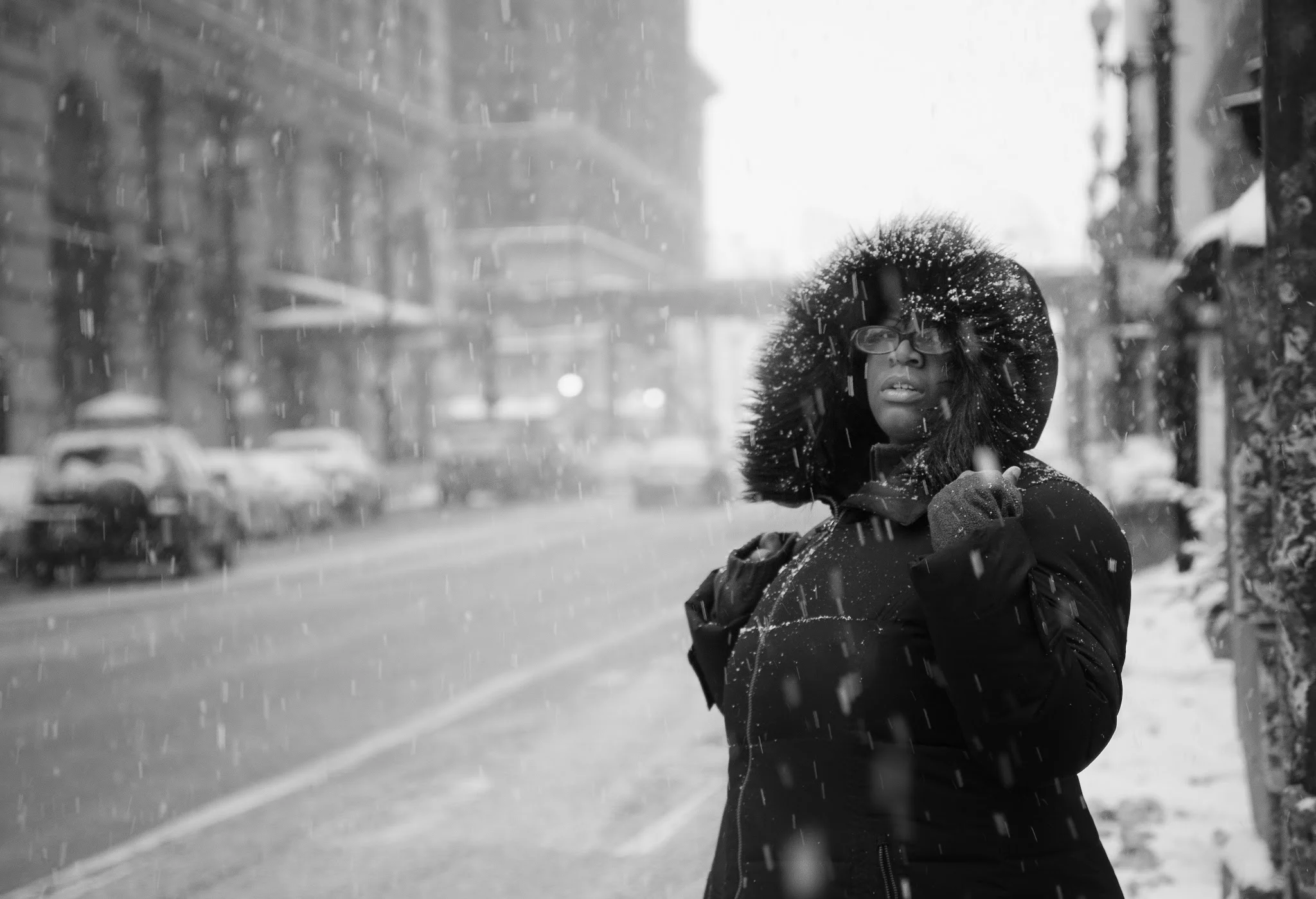
The primary subjects in the photo below would be almost indistinguishable from the background if the sun was not highlighting their faces. Here, light creates that required differentiation between tones that is at the basis of our perceptions. Because the light in the background is subdued, the point of highest contrast (meaning, the point where there is the highest difference between light and dark) also falls on the subjects. The eye will naturally focus on the point of highest contrast, ensuring that my subjects are prominent in my composition.

Tonal differentiation also works the other way, with a darker subject positioned in a lighter background, as in the photograph below. In both cases, the distinction between figures and ground is clear and indisputable, which is the basic essence of traditional composition.


2.       Emphasis: Using light to direct the eyes to what matters

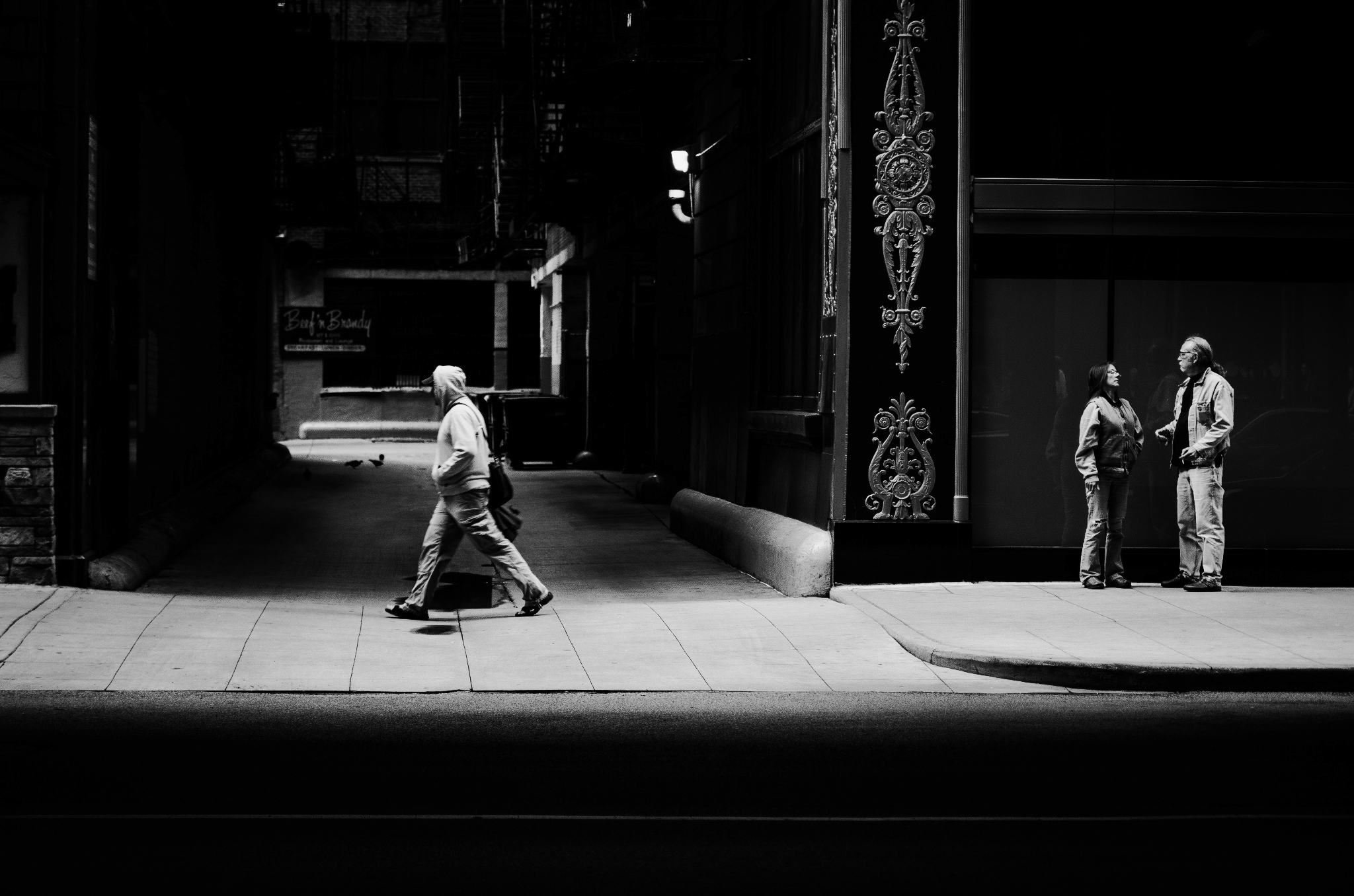
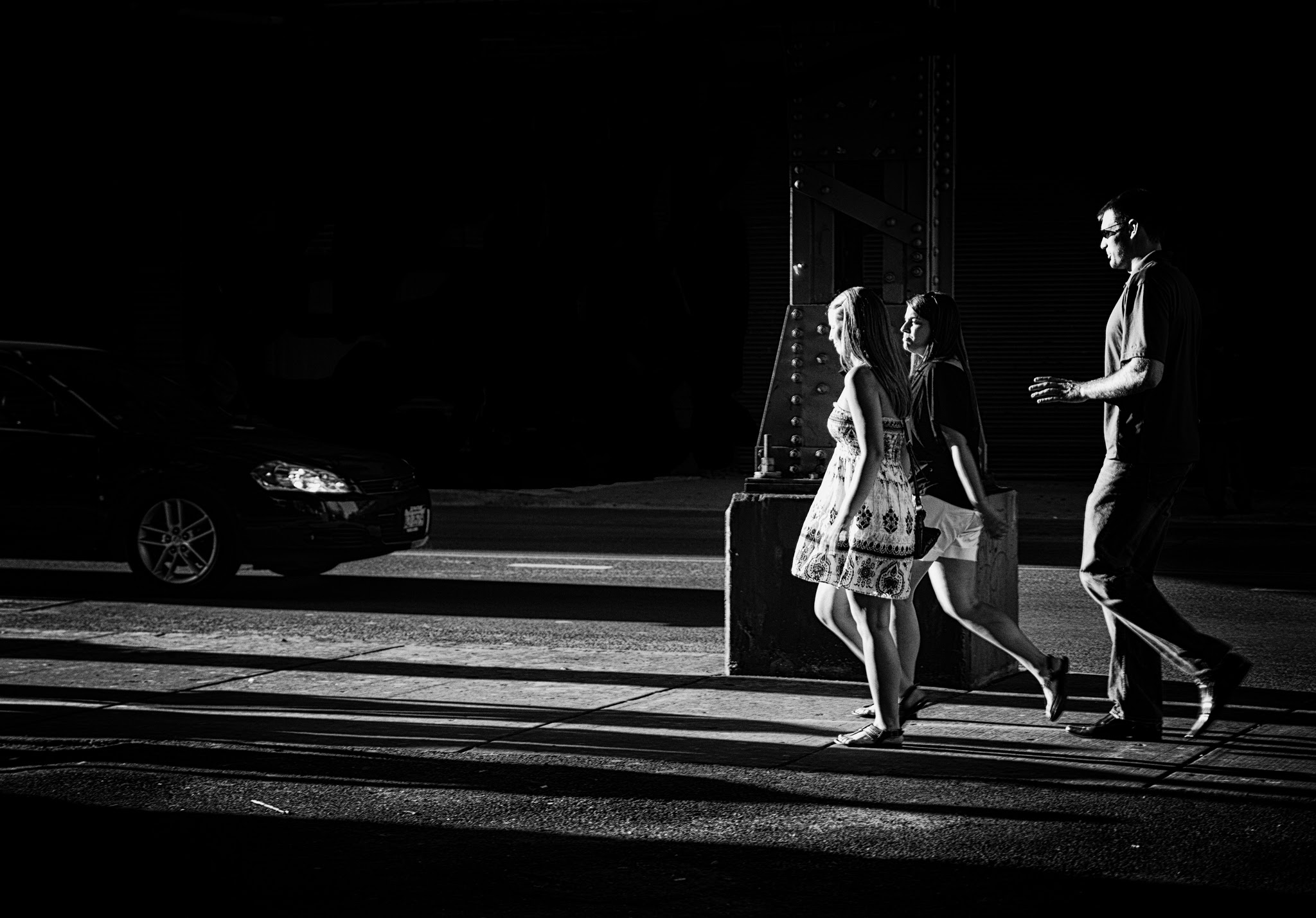
In the photograph below, absence of light is used a frame and negative space. The resulting effect is to strongly emphasize the subjects, as if spots had been cast on them. Negative space will convey a feeling of mystery and gloom if it has a low value (meaning, if it uses dark, not light). On the other hand, light negative spaces will convey more positive feelings to your image and primary character. Here, the subjects appear a little lost in the surrounding darkness of Chicago’s alleys.

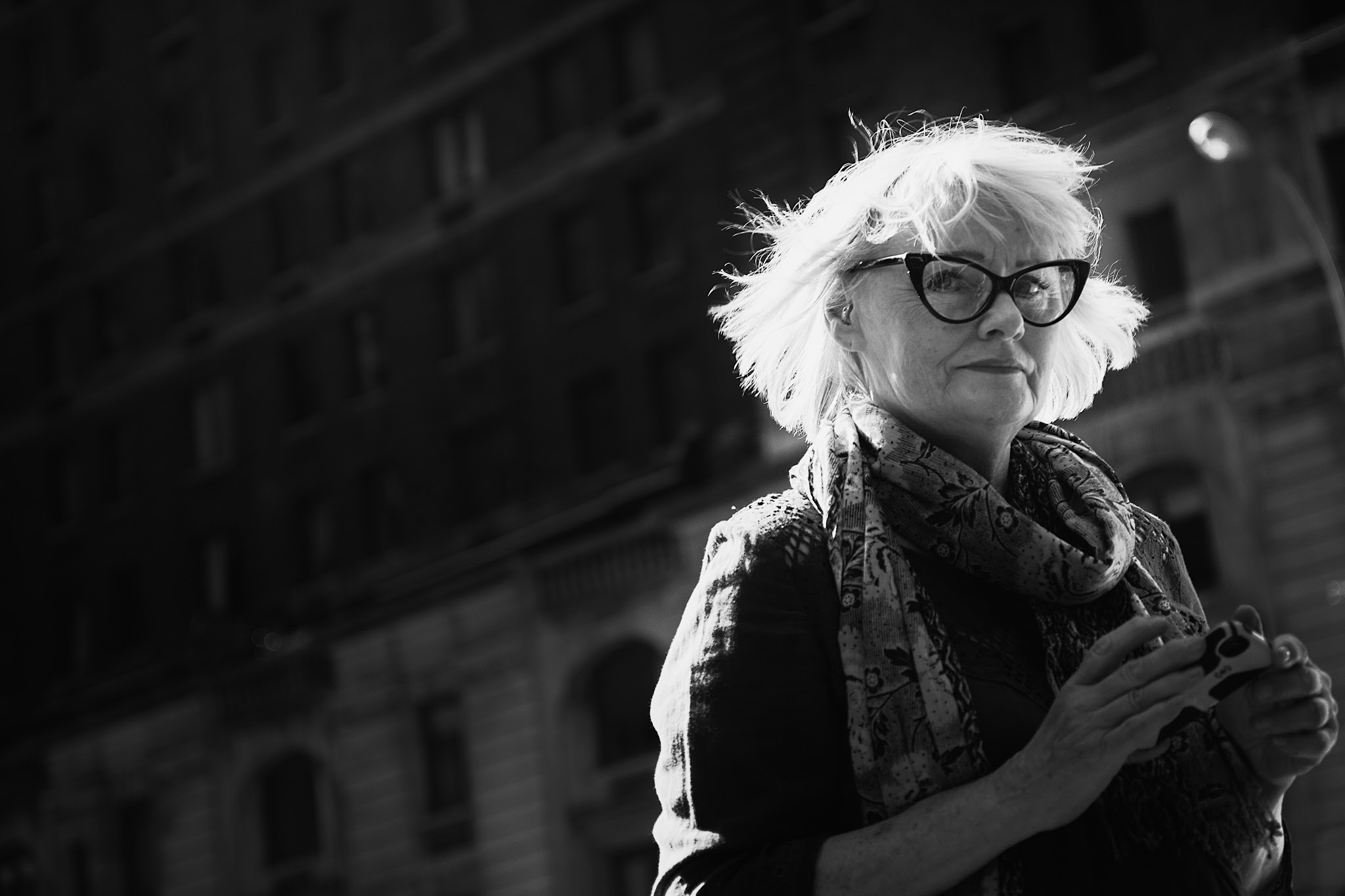
Light can also act a blocker, like that shiny ray of light on the steel of the bridge in the picture below. The line created separates the photograph into two distinct areas: the dark part of the left, where our eyes do not want to stay or linger too long, and the brighter part on the right where the subject stands. As a result, more emphasis is given to the subject, as the eyes are forced to shift on the right and rest on the illuminated face of the woman.


3.       Substance: using light to create depth in your stories

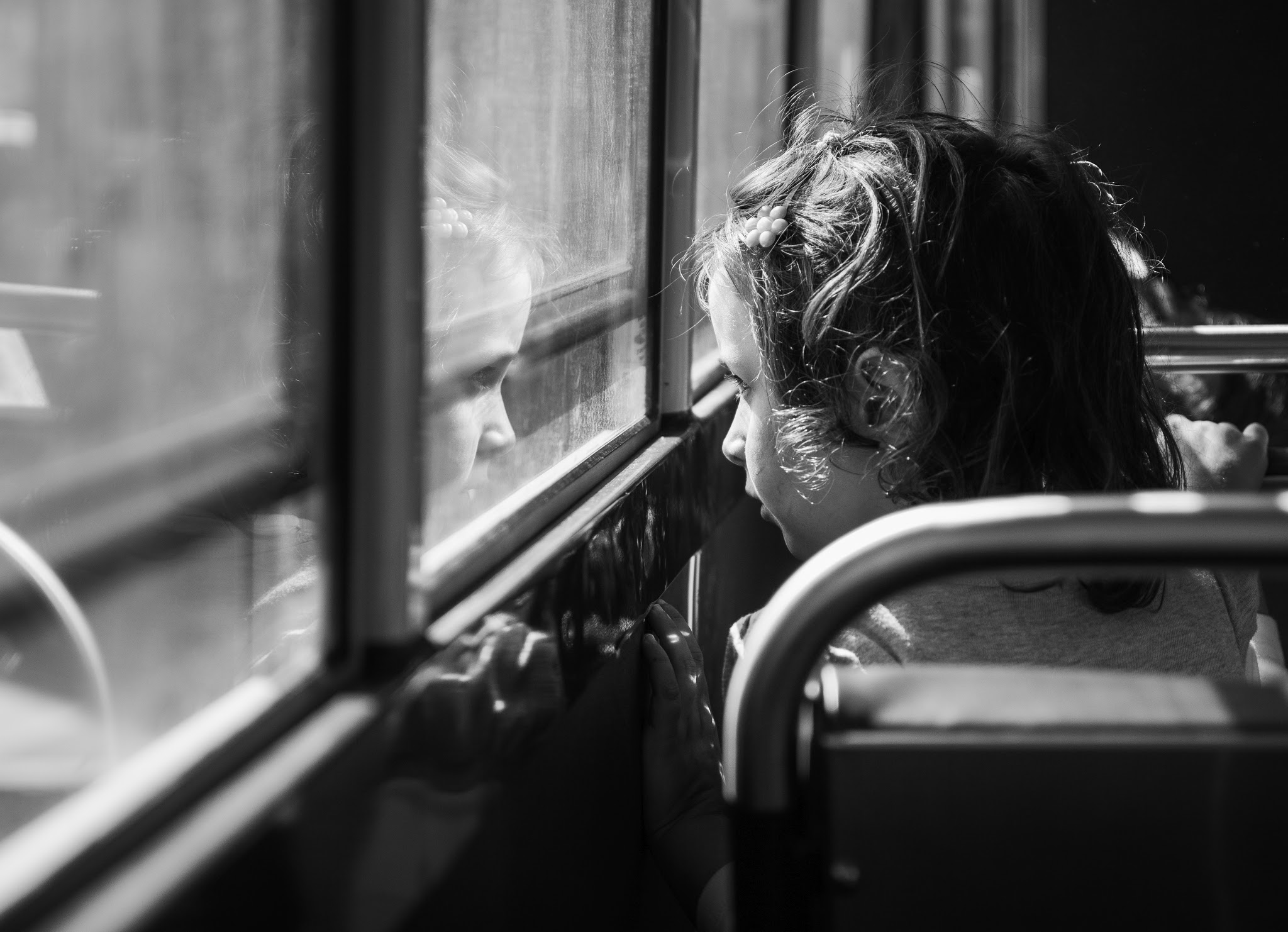
The sun has this wonderful aptitude to create new elements in photographs. Reflections are one of those elements that only light can create, and, if used properly, will add significant substance to your story. In the photograph below, the little girl looking beyond the window is facing her own reflection. Elements respond to one another – as if her reflection was an extension of herself, and extension of hey journey into her mind.

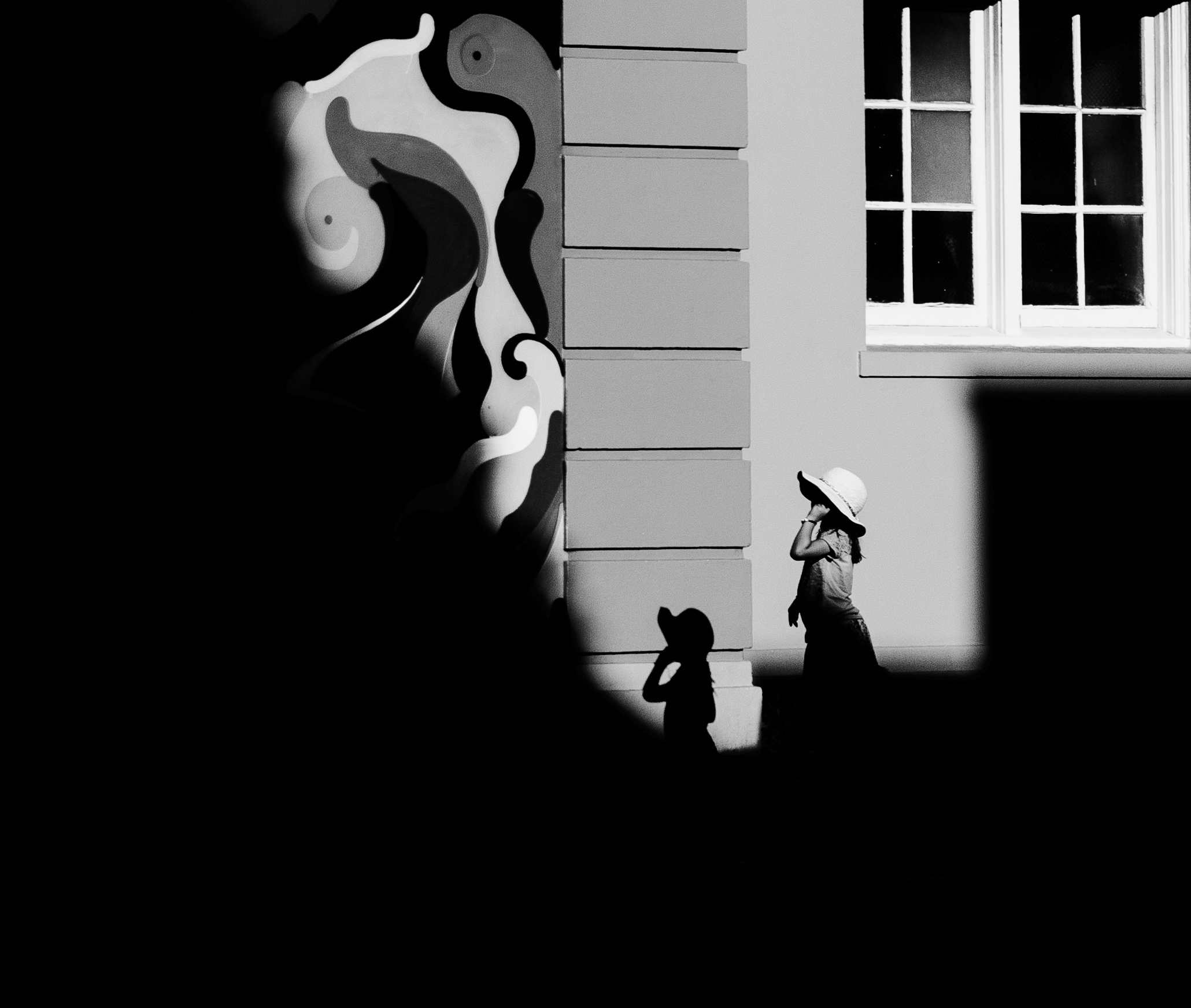
Shadows – that other artifact created by light – have a strong symbolic value. They tend to show that we are dual in our humanity, that there are two of us – the dark and the light, the reality and the dream. In the picture below, the shadow of that little girl is enhancing the story, not creating conflict as we could suppose so. That little girl alone imitates the world of adults as she proudly wears her feminine hat, yet behaves like a child in her attitude and posture. Her shadow and negative space around only enhance that story by offering a representation of that world of hers, of that imaginary place where she stands – bridging the seemingly separate worlds of childhood and adulthood.


4.       Tension: Using light to transform the reality

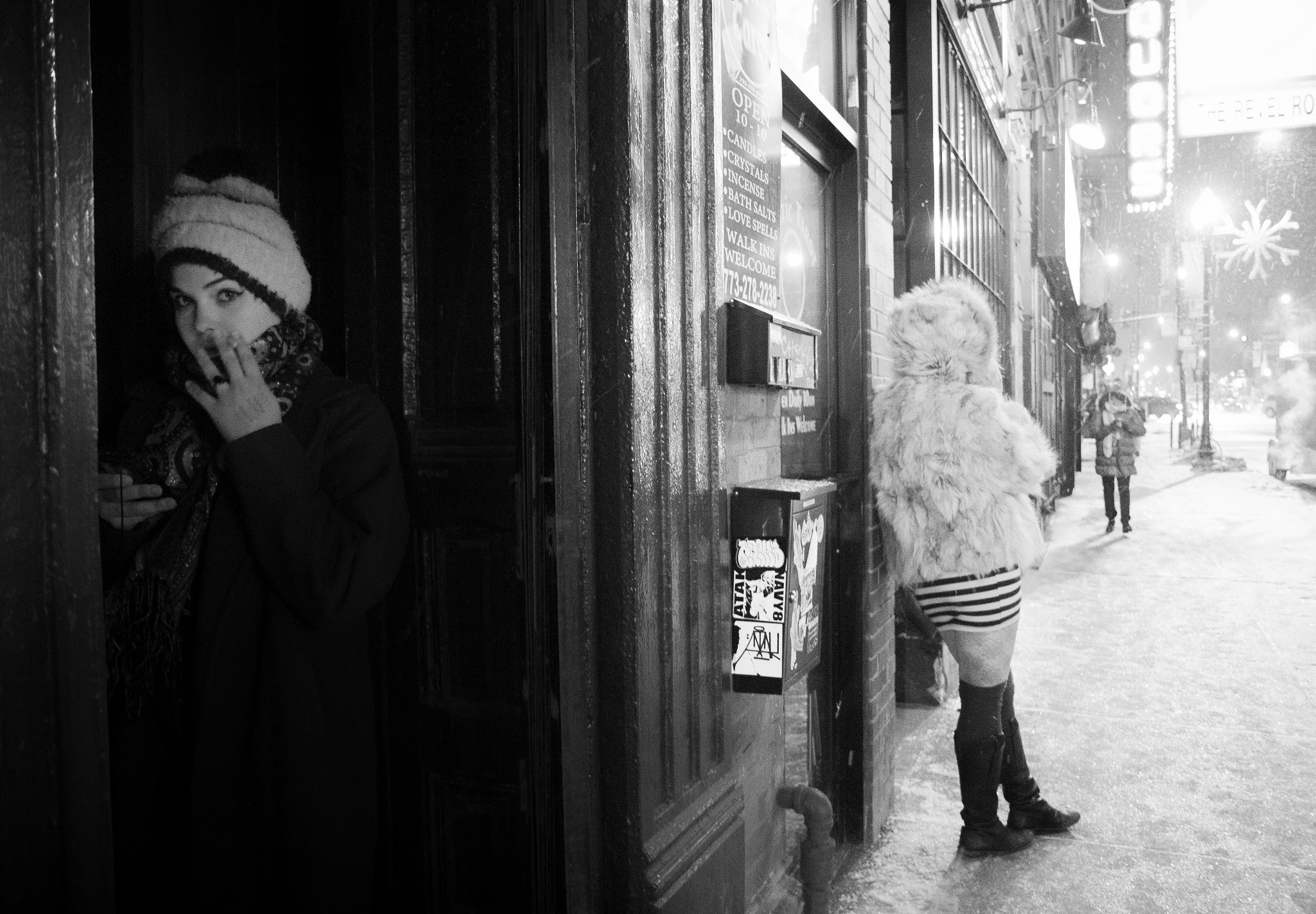
Tension is born out of the confrontation of opposites. Light and dark are in constant opposition with one another, and are associated with opposite feelings as well, as we already discussed in this article. In the photograph below, elements created by light do not act as an extension of the characters, but appear in total contradiction. The beautiful woman rests in the dark, while the strange-looking woman with naked legs is in the light. This inherent contradiction creates a feeling of mystery: the beautiful woman is not who she seems to be. From that dark corner, she seems to hide a secret that she will never share.

Light can also transform and personify ordinary objects. In the photograph below, light is not only acting as negative space. In fact, it brings together two key elements in the story: on one side, the group of people happily walking. On the other side, hidden in the dark, the shadow of a car coming at them. There is a strange and powerful contradiction between those two elements, and the car can easily be perceived as another character of its own – with motives of its own. As a result, the image conveys a threatening feeling, a sense of cinematographic drama that gives a totally new meaning to the image.

Hopefully, you will have enjoyed this travel into light in photography. The transformative power of light has no limit - it is a world of possibilities that I encourage you to explore. Now.

Objectivity vs. subjectivity: the science of camera angles

Cinema, as an art, has long been paying attention to camera angles. And indeed, the choice of camera angle will have a deep impact on how the viewer will eventually experience the scene and the story. Will they observe at a distance or will they feel part of the action? Will they identify themselves with the subject or will they react to this confrontation?


There are I believe four major types of effects generated by camera angles:

  1. Omniscience: When the camera angle allows for a very objective and neutral point of view, the viewer can distance himself from the scene and become an impartial observer able to “see it all”. Generally speaking, most medium to long-range shots will provide that effect.

  2. Awareness: Some shots establish a direct connection between viewer and subject – the viewer is aware of the subject as a person, with qualities and personality of their own, which can sometimes lead to a psychological confrontation.

  3. Experience: When the line between objectivity and subjectivity is blurred, viewers can sometime experience an astonishing contradiction: they feel as if they are “here” within the scene, yet unnoticed by the subjects – they experience the scene as an invisible observer, in a very voyeuristic manner.

  4. Identification: Finally, certain shots – especially close ups – will yield to a process of identification. The viewer projects its own feelings and emotions on the subject, creating a very personal story based on their own personality and state of mind.

The first two effects: omniscience and awareness are objective point of views, meaning that there is a clear separation between the viewer and the subject, each standing in their own sphere of existence. The last two effects: Experience and Identification are subjective point of views, where the viewer is forced into the scene, eventually associating himself with the story.


John Suler, in his book Image and Psyche, provides an outstanding description of various camera angles and their psychological impact – so I will not describe each type of camera angles at length as you can read more by yourself. Instead, I will focus my analysis on these four major effects, and will provide a few practical examples of camera angles that can be used to create those effects.

There are several types of camera angles to consider moving forward, as explained by John Suler:

  • Vertical orientation: eye-level, low-level, high-level

  • Horizontal orientation: front, side, rear, slight deviation on the left or right (POV shots)

  • Straight vs. tilted orientation

  • Field of view: long-range, medium range, close range


Effect 1: Omniscience

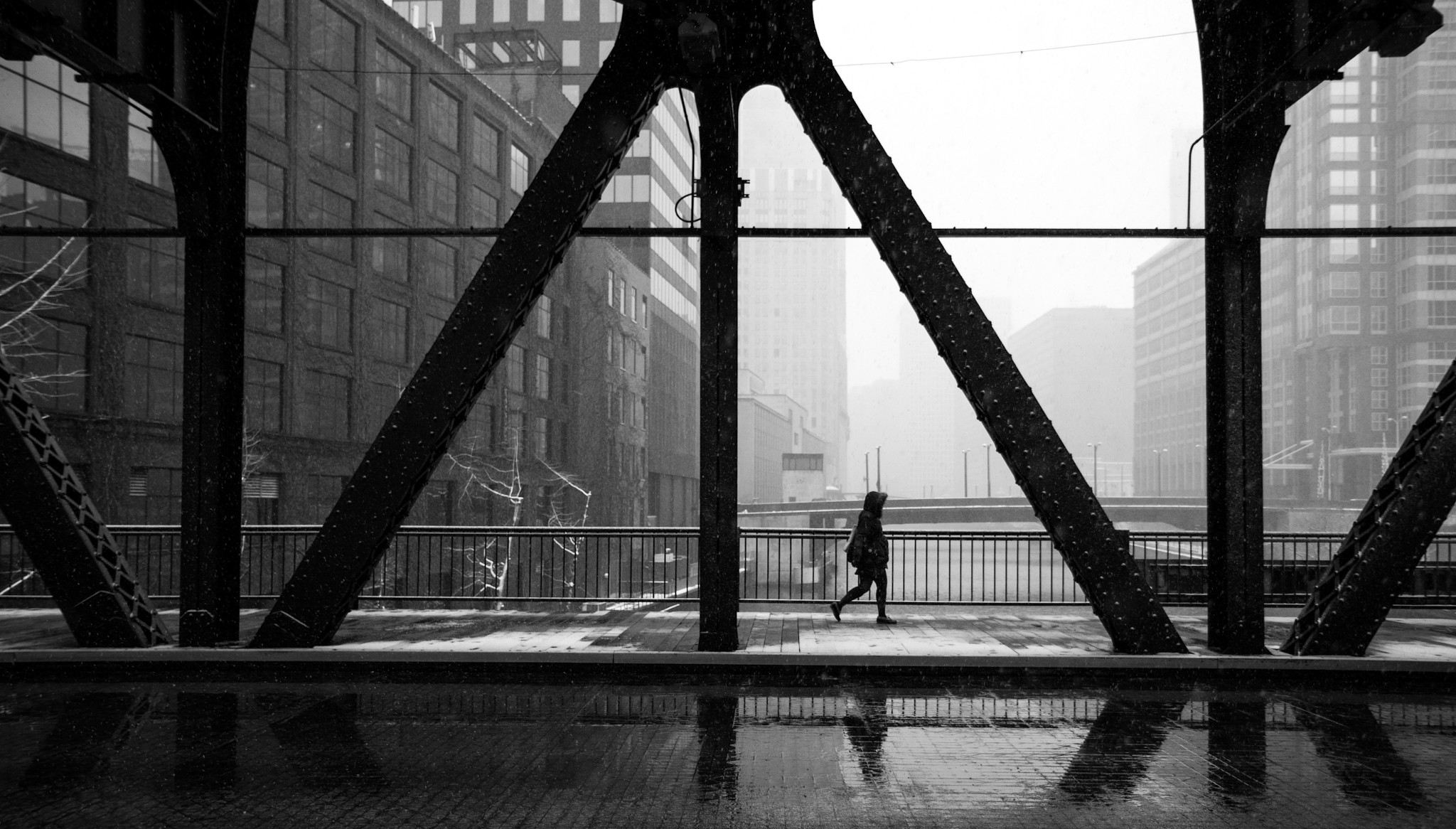
Behind the idea of omniscience lies the principle of showing the big picture. The viewer is given the opportunity to see the scene in its entirety. Long-range and medium-range shots are best fitted to create that effect. Shots that are at eye level (not higher, not lower) will provide the most objective point of view, while lower / higher shots will create interesting subtleties in the way viewers perceive the overall scene. The key to omniscience is to integrate all meaningful elements into one shot: the subject of course, but also all the surrounding context that will extend the story from that of a man alone, to a man within its environment.  In the above image, viewers are shown the entire winter scene, emphasizing the loneliness of the subject. Without the context of the bridge and fog, that feeling of loneliness would be less strong. It is by distancing oneself from the details that we can see the big picture. The lonely figure exists because of the lonely city – both elements resonate and respond to one another to create a more cohesive story.

Straight vs. tilted orientation

Tilted angles – long to medium shots – will largely influence how viewers understand the context around a shot. They can still perceive the overall big picture story, but their perceptions and understandings are altered by the different orientation of the image. Tilted images have this impact on people: they feel disoriented, and as such the context may appear gloomier than it really is. In the above image, a typical Chicago alley will appear scary to viewers. Due to the large angle of view, they can still understand the big picture: a man walking away in a deserted alley. However, the tilt contributes to creating a strange atmosphere, as if something was about to happen to that man. We are close here to the “experience” effect which would have been achieved if the man had been closer to us. As it is, the shot leaves a vague feeling of uneasiness to the viewer, with no clear understanding of why.


Effect 2: Awareness

When I started studying camera angles, I found it difficult to really pin point that awareness effect. I realized that many angles could generate this result, with a lots of interesting variations. However, one element was key to amplify this effect: eye contact. Looking into the eye of someone establishes an instance connection between two people – and this is exactly the same with an image. When someone is looking directly at you, you can sense this person’s independent existence. Once that initial relationship is established, viewers will attribute characteristics to this person based on this person’s expression and attitude – and obviously based on their personal life experiences.

This is where camera angles comes into play: shots creating awareness can be of various focal lengths, as long as the eyes appear to be directed at the camera, and as long as the subject has enough presence to draw most attention. The closer you get from the subject, the stronger the feeling of awareness of this other person will be. Additionally, you can manipulate feelings for that person through changing the vertical orientation of your camera.

At eye-level, you will get a straightforward relationship where viewers and subjects are on the same plane. When taking this type of shots, you establish a simple, direct connection between two human beings. This is a one-on-one relationship, where the viewer is presented with another human being that generates curiosity and interest. The eye connection is very strong and establishes an invisible line that is almost impossible to ignore – as if that person in the image was seeing you as well, was aware of you, just as you are aware of them.


Above eye-level angles will make the subject appears smaller and weaker – as if de-emphasized by the camera. Below eye-level, as it is the case in the picture above, subjects will appear bigger than life, stronger, more imposing – their importance will be emphasized. The characteristics that viewers will attribute to the subjects will depend heavily on the angle you choose – so be aware that camera angles will strongly influence the story being told, no matter what.


Effect 3: Experience

In cinema, many scenes are meant to make the viewer feel at the center of the action. As the camera follows the actors, we are often given the impression that we are moving along with the camera… following their every step. When two characters discuss together, we feel in the middle of their conversation – yet the characters never actually look directly at the camera. While this can lead all the way to identification, most of these tactics will, at least, enable viewers to experience a scene from the inside, not from the outside. And this is where the magic happens in cinema: from being a mere observer, we become an invisible actor: we are forced into the story whether we like or not.

 Photographers have a lot to learn from film directors in that matter. But fortunately, we have all the tools at our disposal to make it work. In the above shot, the viewer starts to experience the scene more subjectively. While still being an observer, the viewer is close enough from the main subjects to share their complicity – the side / rear position of the camera is very useful under such circumstances. The subjects do not see us, but we see them, and there’s a clear feeling that we could be discovered at any time, should they decide to look in our direction…

 When getting closer to people, we can best create the experience effect by ensuring that the subject is not looking at the camera. For this to happen, choose a side angle or a POV angle (like in above shot). The closer you get from people, the more “voyeuristic” the experience will be, and the more strongly your viewers will experience the scene from the inside – as if they were there, invisible actors of a story that they do not control.

A wide low angle can provide marvelous results as well when it comes to experiencing a scene. Not only does the viewer feels at the center of the action, but the wide angle provides much opportunity to experience this action differently – with some added roughness, as well as more theatrical context – a tactic used by many well-known street photographers in fact.


Effect 4: Identification


This last effect is without a doubt the harder to achieve – and this stems from the unpredictability of your viewers’ reactions. While everyone projects feelings and desires into images, identification itself can only happen under specific psychological conditions.

Let’s first discuss what I mean by identification. Identification can come from identifying oneself with the subject or the story – this is the simplest aspect of this effect. In the picture above, for example, I see myself in this little girl – I understand and relate to her attitude and expression, and she reminds me of myself… in ways that I will not elaborate upon here!

However, there is another factor determining possible identification with a subject or a story. Contrary to what you may think, people identify with a picture when they see something of themselves in the picture, but not necessarily themselves. For example, in the image below, you can identify with the scene because it reminds you of your daughter or grand-daughter. This image resonates with you because of this association – not because you are being reminded of yourself.

How can we achieve or at least facilitate the identification process? From my experience, and my experience only, medium range and close ups are more indicated in achieving that result. More objective angle (e.g., at eye-level) will also probably work better as they will establish a straightforward connection between subject and viewer.

Other than that, there are no clear rules or patterns suggesting one way or another. In fact, identification can occur despite your best efforts: it can be someone looking straight at you that touch something deep in your soul. It can be the lovely neckline of a beautiful woman in a close up shot. It can be the lonely expression of a young person walking alongside a building. It can come from your deepest fear, or your most secret desire. It can take many forms and shapes – and there’s no way to predict when it will occur.

Truth being told, not everything can and should be explained by rules. In photography as well, there is a place for miracles.


Why Street photography shouldn’t be defined by anyone but yourself

In any group, in any setting, you will find yourself wondering: is my photograph a street photograph according to the standards of that group? Am I close enough from my subjects? Does it look candid enough? Do I successfully portray “life within our time”? Because each group or community is founded on a set of rules, those questions may be useful indeed. But one should be reminded that belonging to a group is not an end in itself. It is a way to find who you are as a photographer, within that group of course but as importantly, beyond it.

Street Photography groups are very often made of like-minded people, sharing a common understanding of a genre, established conventions, do’s and don’ts.  It is in essence a platform to challenge oneself within a set of constraints established by the group itself.  The downside of any such group is the potential for stifling innovation and creativity. Loyal members usually live and breathe by the group’s vision for street photography, forgetting to question the validity of its premises. On the other end of the spectrum, you’ll also find outliers – those new members joining with a defined idea of how street photography fits with their personal vision – who find themselves outcast for producing work that doesn’t align with the group’s established guidelines.

I do think that groups are useful – but they shouldn’t keep you from experimenting and finding your own definition of street photography, whether it fits or not established conventions. Because innovation comes from pushing frontiers, it is of the utmost importance that each of us questions this definition before embracing it. The more diverse those definitions are, the better we’ll be able to evolve and elevate this particular genre. And most importantly, the more equipped you’ll be to find your own path – that path that will eventually lead you to produce unique and remarkable work on your own.

My work is often described as street photography. Yet, after going through this process myself, I realized that my own definition for street photography was in fact much broader than established conventions.

First, street photography for me is meant to question, not to assert. It is meant to question who we are as human beings, through the exploration of our interactions with the world, and with others. Secondly, street photography is not only about the world – it is also about us. In that sense, it should lead to a better understanding of the complex dynamics at play not only between us, but also within each of us.

At the end of the day, defining street photography has been about defining who I am as a photographer: not only what appeals to me within this genre, but also defining the higher purposes that fundamentally drive my work as a photographer, within and beyond established "boundaries".

As an example, I will provide below a few photographs often considered outside the genre of street photography. These images are remarkable in their ability to push the boundaries of a so narrowly defined genre. But more importantly than that, each of these images has had a deeper impact on me than most of the more “conventional” street photographs. They truly resonate with me through the mystic power of their carefully drafted imagery. They tell compelling stories of humanity – which to me should be the most important purpose of street photography.

As you will see, the photographs below have broken some preconceived notions about what street photography is and isn’t – and have gone willingly beyond established conventions:

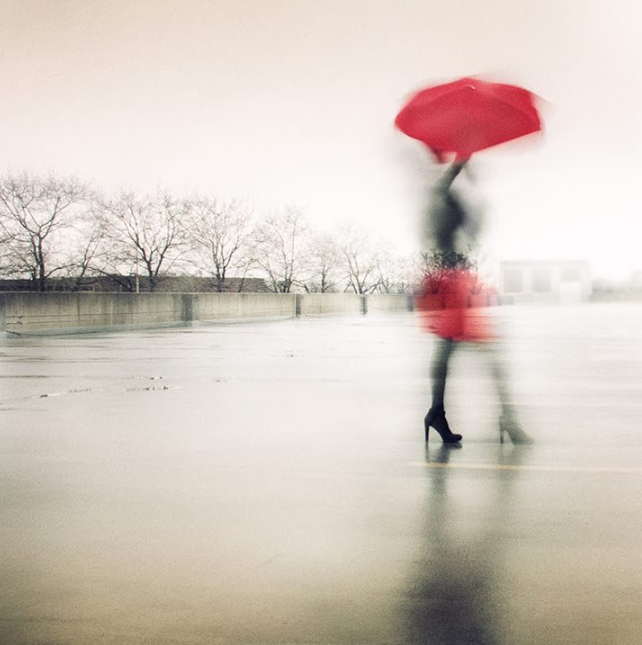
  1. Street photography should be realistic, not abstract
  2. Street photography should be urban by definition
  3. Street photography should be candid, never staged
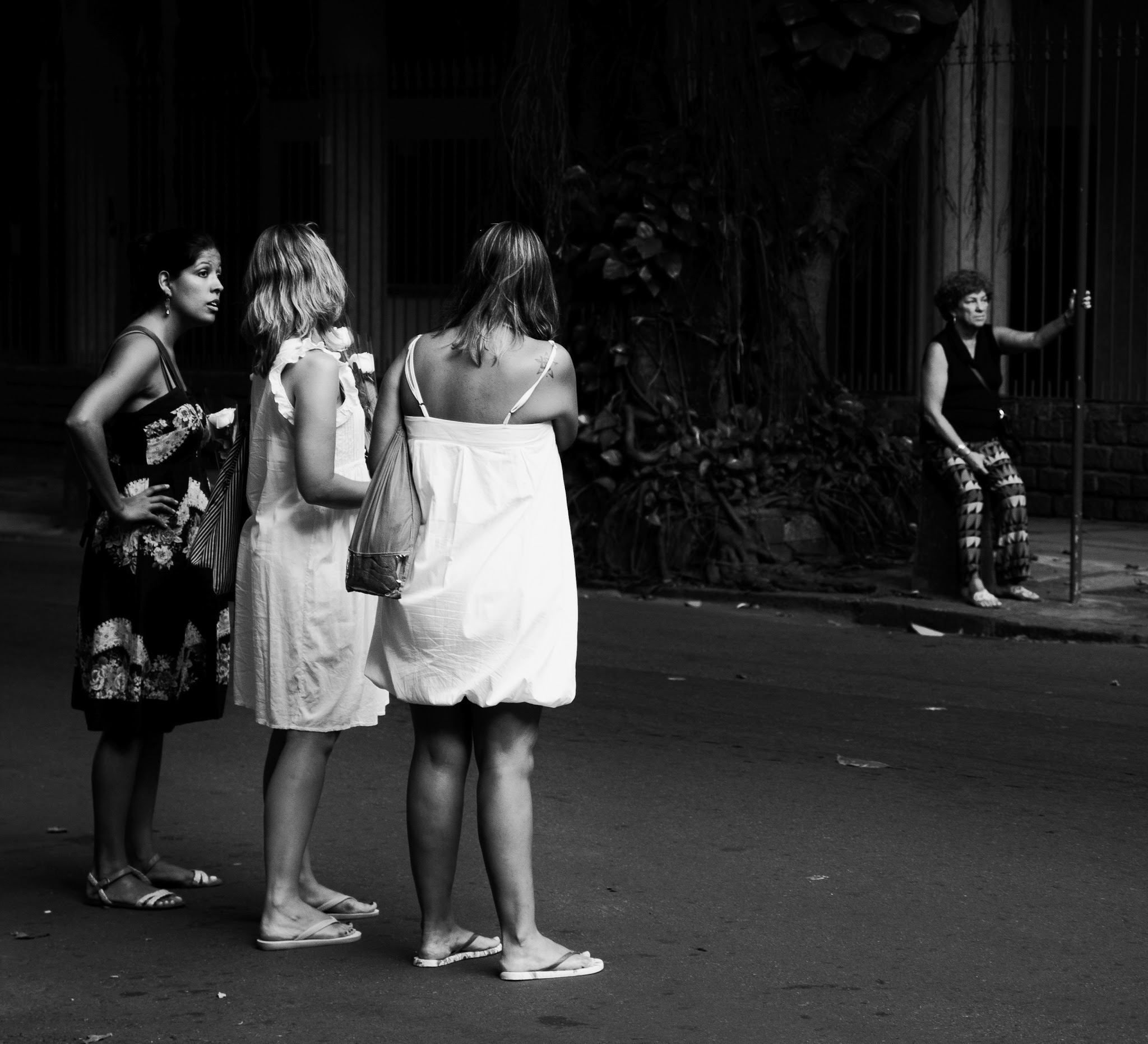
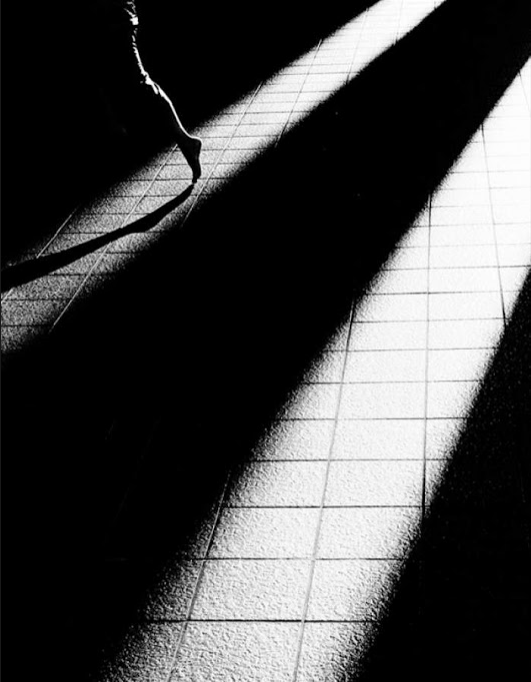
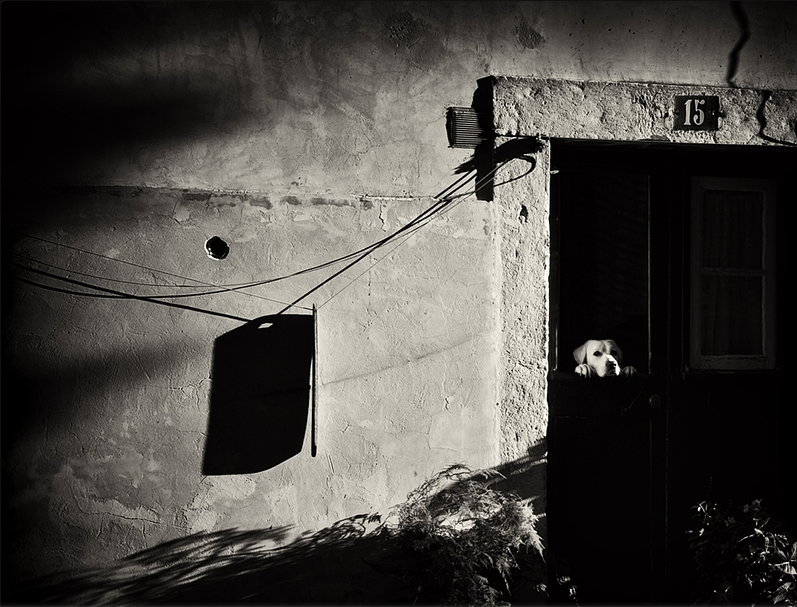
  4. Street photography should have humans for subject

I admire their authors for not being afraid of being who they are – beyond what’s expected, beyond established boundaries. I admire them for taking the risk of being misunderstood, uncategorized. I admire them for standing up for themselves and for their vision, no matter what the “crowds” may say.  To me, those photographers are true artists, in the original sense. They portray a world in accordance with their values and their vision – and in doing so, they leave us feeling different about the world and about ourselves.

So stop following and start thinking. What does street photography mean to you? And what role does it have in achieving your unique vision?

Photo by Tatiana Avdjiev

Photo by Yuzuke Sakai

Photo by Mirela Momanu

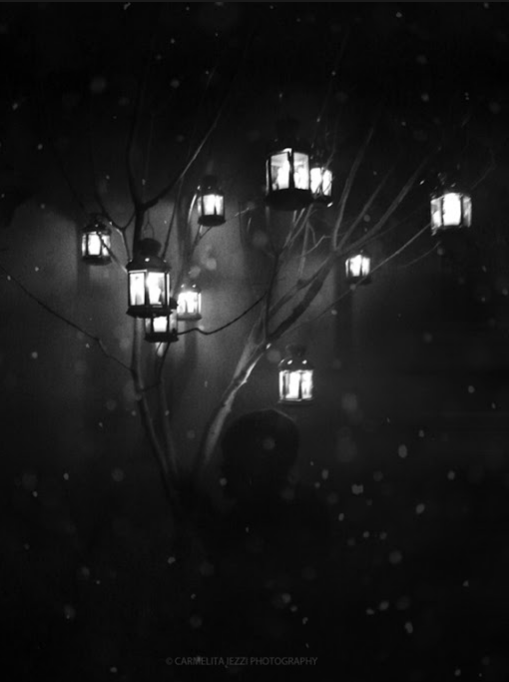
Photo by Carmelita Iezzi

Photo by Emilian Chirila

Photo by Rachel Chicheri 

Photo by Rommel Bundalian